
Brandy is a broad category of spirits made by distilling fermented fruit, most often grapes. Cognac is a specific kind of brandy made in a legally defined area of France under detailed production rules. That distinction affects the fruit and methods used, where the spirit can be made, and what its label can say. Knowing how the terms differ helps you compare bottles more confidently, whether you are choosing a sipping spirit or an ingredient for a cocktail.
Brandy Is the Broader Category
Brandy is distilled from fermented fruit. Grape wine is the most familiar base, but producers may also use apples, pears, plums, or other fruit. The final flavor depends on the fruit, fermentation, distillation, aging, and blending choices. Brandy can be made in many countries, so the word alone does not identify a single style or place of origin.
Cognac belongs within the brandy category, much as a regional specialty belongs within a broader food or drink category. Every Cognac is brandy, but not every brandy is Cognac. A bottle labeled brandy may come from outside France and may use different fruit, stills, aging practices, or standards. Check the producer’s details rather than assuming all brandy tastes alike.
Cognac Has Strict Origin Rules
Cognac must come from the Cognac region of southwestern France, within a protected geographic area. Its name is reserved for spirits that meet the region’s production requirements. A grape brandy made elsewhere cannot be labeled Cognac, even if its maker follows a similar recipe or uses comparable equipment.
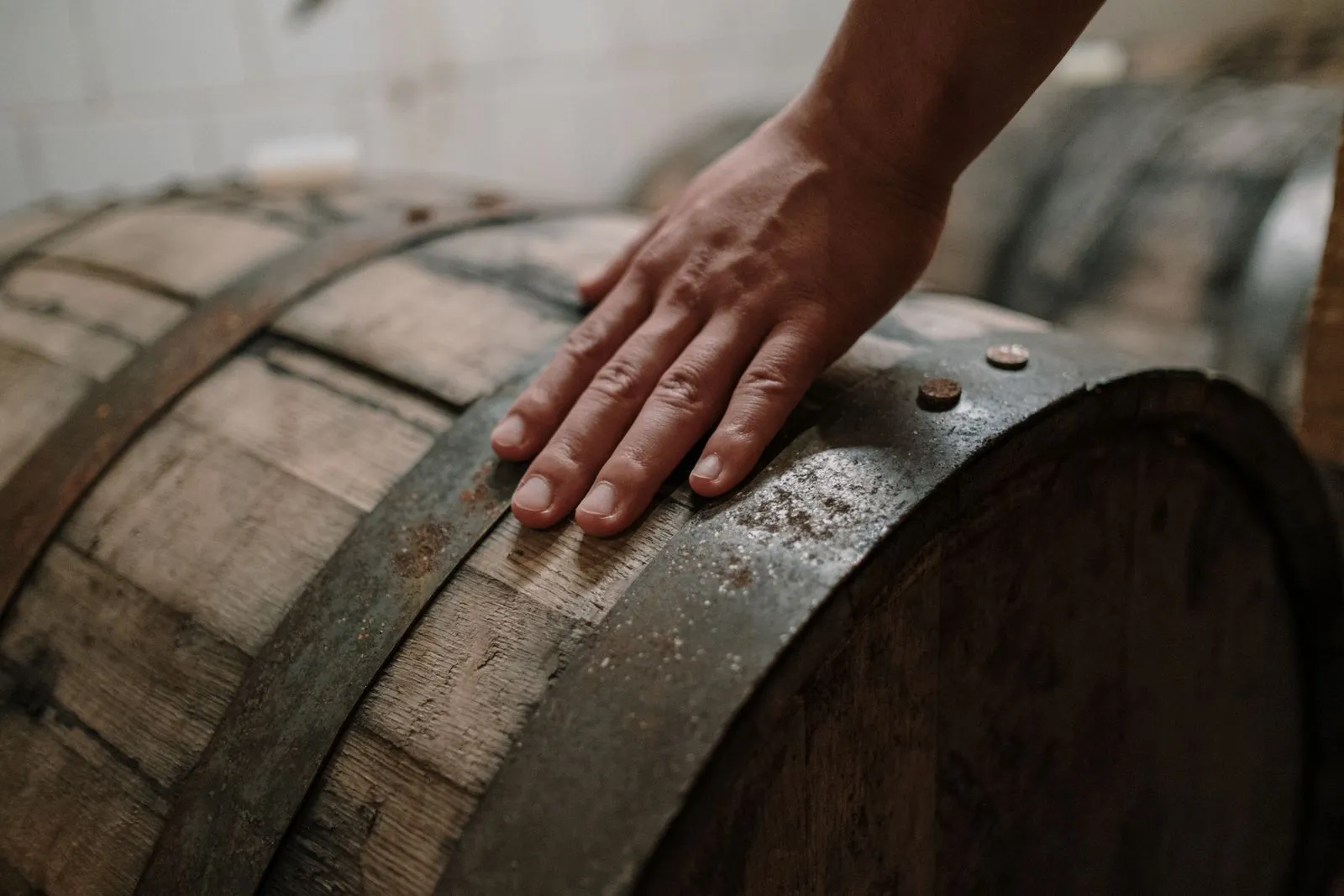
Cognac rules also specify grape varieties and key production steps. The spirit is made from wine, traditionally distilled twice in copper pot stills, then aged in oak barrels. These requirements create a recognizable regional style, but they do not mean every Cognac tastes identical. Grape growing conditions, distillation decisions, barrel aging, and blending all shape the result.
Production Shapes Flavor
Brandy producers have more flexibility than Cognac producers, though requirements vary by the product’s country and label. They may choose different fruits, fermentation methods, still designs, and aging approaches. Some brandies are bottled without extended barrel aging, while others spend years in wood. Those choices can produce a wide range of aromas, texture, and color.
Cognac’s required base wine is typically distilled into a clear spirit before barrel aging. Oak can add color and flavors such as spice, vanilla, or toasted wood, while time and blending can soften the spirit. These are common influences, not guarantees: the producer’s choices matter, and age statements describe regulated categories rather than a complete flavor profile.
Read the Label Carefully
On Cognac labels, VS, VSOP, and XO indicate minimum aging categories for the youngest eaux-de-vie in the blend. In general, VS means at least two years in oak, VSOP at least four years, and XO at least ten years. These terms help compare Cognacs, but they do not tell you everything about sweetness, aroma, or the producer’s blending style.
Brandy labels may use different age terms, and their meaning depends on the rules that apply where the spirit was made. Look for the fruit used, country or region of origin, age information, and any production details the maker provides. Casco Point Distilling in Portland, Maine, makes brandy; Cognac, by contrast, is reserved for qualifying spirits from its namesake region in France.
The simplest distinction is origin: brandy is a broad family of fruit spirits, while Cognac is brandy made in a defined part of France under specific rules. Production and labeling provide more clues about what is in the bottle. Compare the stated fruit, origin, and aging terms, then explore a brandy style that suits your taste.